The Yale Center for Environmental Justice Indigenous Programs Team works at the intersection of Indigenous rights, environmental governance, and climate justice, partnering with Indigenous communities, scholars, and practitioners to co-create solutions grounded in sovereignty and traditional knowledge. With its growing engagement in the Amazon region, the Indigenous Programs team seeks not only to strengthen Indigenous leadership and community capacities but also to learn from and disseminate Indigenous ideas on alternative energy, sustainable transportation, and ecosystem stewardship—perspectives that offer powerful responses to the global climate crisis and the accelerating loss of species. Our current projects foster intercultural education, legal empowerment, and innovative research that contribute to a future inwhich Indigenous wisdom guides not only regional conservation but also global strategies to mitigate climate change and protect life on Earth.
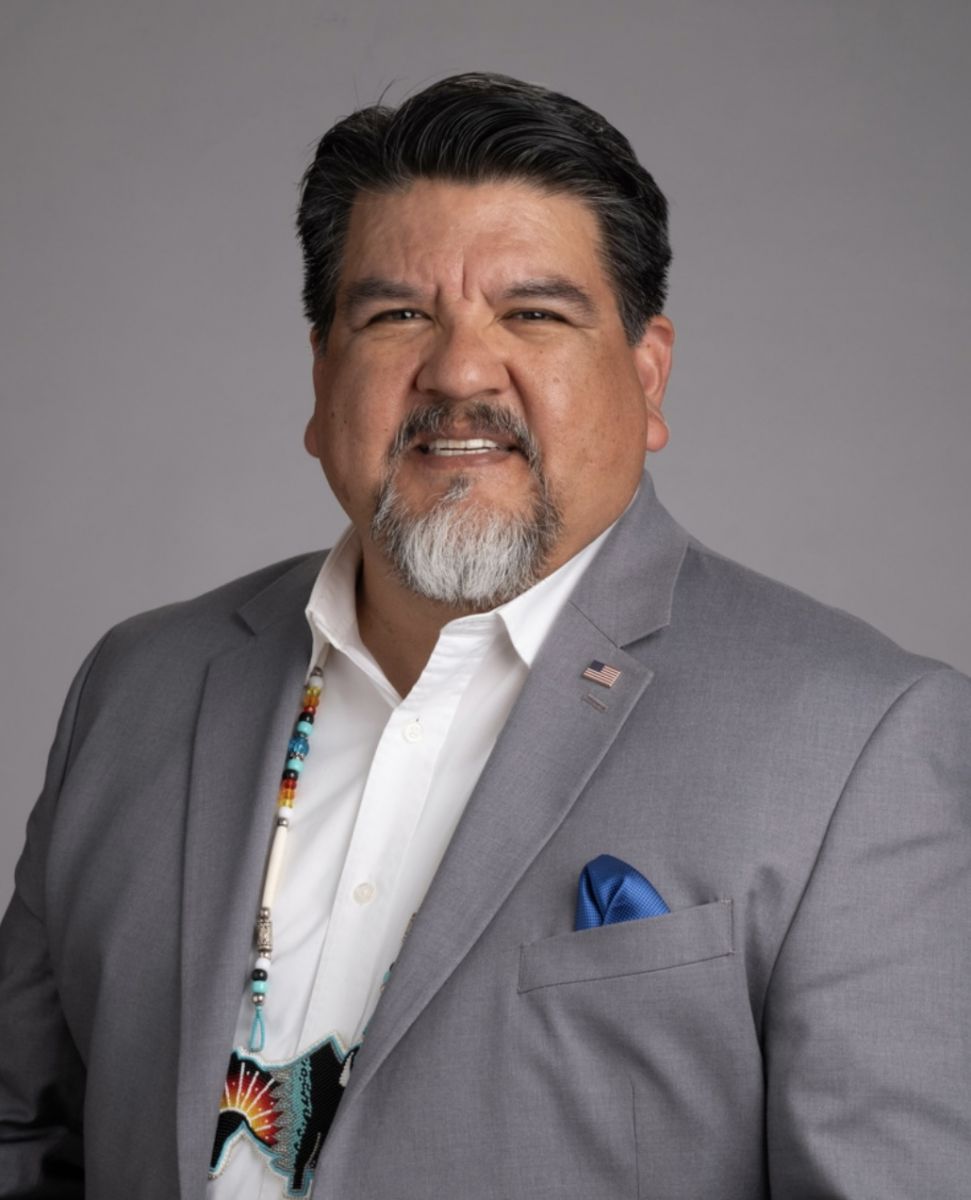
Directed by: Charles Sams

The Yale Center for Environmental Justice: Advancing Indigenous Rights and Environmental Governance
The Yale Center for Environmental Justice (YCEJ) works with partners across Yale and in communities around the world to remedy the key drivers of injustice while co-creating generative solutions for a more just and sustainable world. Through education, research, and impact strategies, YCEJ connects more than 30 Yale faculty and hundreds of environmental leaders and professionals worldwide, influencing environmental governance from local initiatives to international negotiations. With its growing engagement in the Amazon region, YCEJ seeks not only to strengthen Indigenous leadership and community capacities but also to learn from and disseminate Indigenous ideas on alternative energy, sustainable transportation, and ecosystem stewardship—perspectives that offer powerful responses to the global climate crisis and the accelerating loss of species.
With approximately 2.7 million Indigenous peoples residing in the Amazon biome across eight countries and representing more than 350 ethnic groups, YCEJ is uniquely positioned to support their leadership and knowledge systems. Our current projects foster intercultural education, legal empowerment, and innovative research that contribute to a future in which Indigenous wisdom guides not only regional conservation but also global strategies to mitigate climate change and protect life on Earth.
1. Intercultural Training Program on Rights-Based Conservation (Amazon Region).
In partnership with the International Union for Conservation of Nature (IUCN) and the Yale Environmental Leadership & Training Initiative (ELTI), YCEJ is co-designing a 120-hour intercultural training program for Indigenous leaders and environmental defenders from seven Latin American countries. The program combines online and field components in Ecuador to strengthen skills in territorial management, rights-based conservation, and multilevel negotiation. It will inform the creation of a future Intercultural Training Center for Central and South America.
2. Tribal Co-Management and Sovereignty Certificate Program.
YCEJ is developing a graduate-level certificate on Tribal Co-Management of Natural Resources, focusing on the legal, policy, and ecological frameworks that enable shared governance between sovereign Indigenous nations and state or federal entities. The program equips Indigenous and non-Indigenous environmental leaders to design and implement co-management strategies that integrate traditional knowledge, ecological sustainability, and cultural resilience.
3. Research on the Implementation of Indigenous Rights and Transformative Change.
After decades of Indigenous mobilization across the Americas and worldwide, important advances have been achieved in the recognition of collective rights. Yet their implementation remains limited. This YCEJ research initiative investigates the cultural, political, legal, and historical barriers that impede the full realization of these rights and seeks to identify strategies that move from legal change to social and structural transformation, ensuring that recognized rights become lived realities.
4. Indigenous Peoples’ Rights and Environmental Justice Clinic.
Together with Yale Law School and regional partners, YCEJ is designing an International Indigenous Peoples’ Rights Clinic, a space for experiential learning and direct legal representation of Indigenous communities before the Inter-American Human Rights System. The clinic will combine litigation, research, and policy advocacy to defend territorial rights, environmental protection, and the enforceability of the rights of nature.
Partners and Collaborators


How You Can Get Involved:
We are looking for partners, funders, and collaborators to help advance our mission.
Contact: yaleycej@gmail.com